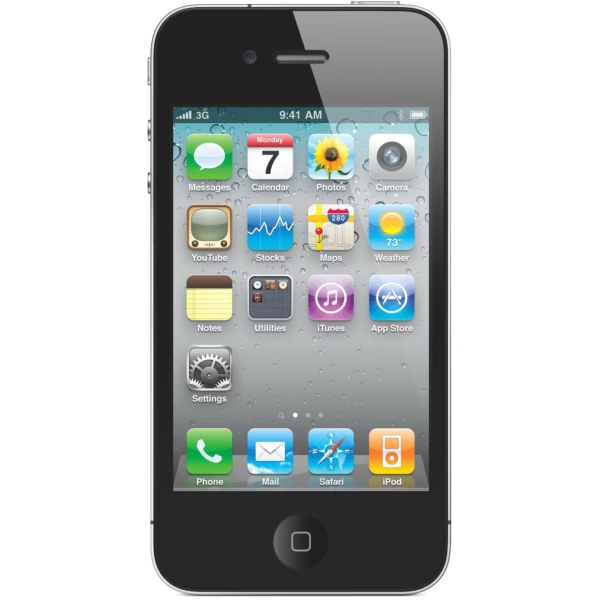
Apple iPhone 4s

| 🛠️Specifications | 📋Details |
|---|---|
| 📱 Device Name | Apple iPhone 4s |
| 📅 Announced Date | October 4, 2011 |
| ✅ Status | Discontinued (released October 14, 2011) |
| 🎨 Colours | Black, White |
| 📏 Dimension | 115.2 x 58.6 x 9.3 mm (4.54 x 2.31 x 0.37 in) |
| ⚖️ Weight | 140 g (4.94 oz) |
| 🏗️ Build Material | Glass front (Corning), glass back, stainless steel frame |
| 🛡️ Durability | No official water resistance, scratch-resistant glass back |
| 🖥️ Display Type | IPS LCD |
| 📐 Display Size | 3.5 inches (36.5 cm²), ~54.0% screen-to-body ratio |
| 🔳 Screen Resolution | 640 x 960 pixels, 3:2 ratio (~330 ppi density) |
| 🔄 Refresh Rate | 60Hz |
| 🛡️ Screen Protection | Corning Gorilla Glass, oleophobic coating |
| 💡 Brightness | Up to 500 nits (typical) |
| ✨ Other Display Features | Touchscreen, Retina Display |
| 📸 Rear Camera | 8 MP, f/2.4, 35mm, AF, panorama, HDR |
| 🤳 Front Camera | VGA |
| ⚡ Flash | LED flash |
| 🔍 Zoom Options | Digital zoom |
| 🎥 Video Recording | 1080p@30fps; Front: 480p@30fps |
| 🛠️ Other Camera Features | Panorama, HDR, Face detection, FaceTime |
| 📱 Operating System | iOS 5 (upgradable to iOS 9.3.6) |
| 🎛️ User Interface (UI) | Apple iOS Standard UI |
| 🧠 Processor | Apple A5 (45 nm) |
| 🧩 CPU | Dual-core 1.0 GHz Cortex-A9 |
| 🎨 GPU | PowerVR SGX543MP2 |
| 💾 RAM | 512 MB |
| 💽 Internal Storage | 8GB / 16GB / 32GB / 64GB |
| 💾 Expandable Storage | No |
| 🔋 Battery Capacity | Li-Po 1432 mAh (5.3 Wh) |
| 🔌 Wired Charging | USB 2.0 |
| ⚡ Wireless Charging | No |
| 📶 SIM Type | Micro-SIM |
| 🛜 Wifi | Wi-Fi 802.11 b/g/n, hotspot |
| 📳 NFC | No |
| ᛒ Bluetooth | 4.0, A2DP, LE |
| 📍 Location Technology | GPS, A-GPS, GLONASS |
| 📞 VoLTE | Not specified |
| 🧭 Sensors | Accelerometer, gyro, proximity, compass |
| 🎵 Supported Audio Format | 16-bit/44.1kHz audio |
| 🎬 Supported Video Format | Standard formats supported |
| 🔊 Loudspeaker | Yes |
| 🎧 3.5mm Headset Jack | Yes |
| ✨ Other Features | FaceTime, Stand-by up to 200 h, Talk time up to 8 h (3G) |
Apple iPhone 4s – A Revolution in Apple’s Smartphone Journey
The Apple iPhone 4s, announced on October 4, 2011, was a landmark device in Apple’s smartphone lineage. Released just ten months after the iPhone 4, it retained the iconic design but introduced powerful upgrades in performance, software, and camera capabilities. With its Siri voice assistant, enhanced processor, and improved camera, the iPhone 4s set the stage for Apple’s future innovations. Even years after its discontinuation, it remains a memorable device for Apple enthusiasts.
In this article, we will explore the Apple iPhone 4s in detail, covering its design, display, performance, camera, software, battery, and why it continues to hold significance in the world of smartphones.
Introduction – The Device That Redefined Apple’s Standards
The iPhone 4s was introduced as the successor to the iPhone 4 and retained the same glass-and-stainless-steel body. However, Apple focused on upgrading the internals and software, making it more powerful and intelligent.
One of the most notable features of the iPhone 4s was Siri, Apple’s voice-activated personal assistant. It allowed users to send messages, set reminders, and even perform web searches through voice commands, a feature that revolutionized the smartphone experience.
Design – Iconic Glass-and-Steel Build
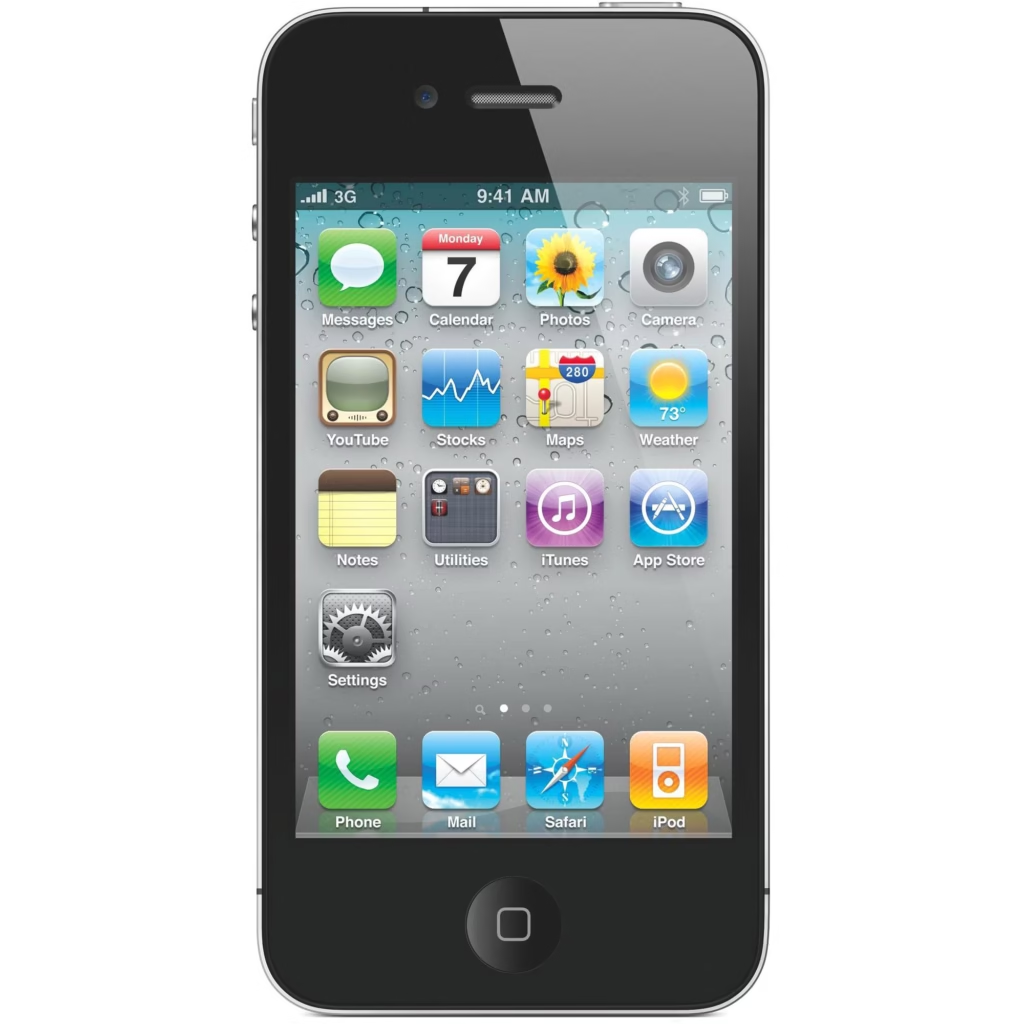
The Apple iPhone 4s continued the premium design introduced with the iPhone 4. Its combination of glass front and back with a stainless steel frame offered a sleek, modern look while maintaining durability.
Design Specifications
- Dimensions: 115.2 x 58.6 x 9.3 mm
- Weight: 140 g
- Colors: Black, White
The compact form factor and sturdy build made the iPhone 4s comfortable to hold and pocket-friendly. The high-quality materials gave it a premium feel, distinguishing it from many other smartphones of its time.
Display – Retina Display Excellence
The iPhone 4s featured a 3.5-inch IPS LCD Retina display with a resolution of 640 × 960 pixels, offering a sharp pixel density of ~330 ppi.
Display Highlights
- Brightness: Up to 500 nits
- Screen-to-body ratio: ~54%
- Screen protection: Corning Gorilla Glass with oleophobic coating
Although smaller than modern smartphones, the display provided crisp visuals and vibrant colors. Whether browsing the web, watching videos, or viewing photos, the Retina display delivered excellent clarity and detail.
Performance – Dual-Core Power
The iPhone 4s was powered by the Apple A5 dual-core processor, clocked at 1.0 GHz, paired with 512 MB RAM. This combination provided smooth performance for apps, multitasking, and gaming at the time.
Performance Details
- Processor: Apple A5 (45 nm)
- CPU: Dual-core 1.0 GHz Cortex-A9
- GPU: PowerVR SGX543MP2
- Internal Storage Options: 8GB / 16GB / 32GB / 64GB
The performance improvements over the iPhone 4 were noticeable, making the iPhone 4s capable of handling more demanding apps and tasks without significant lag.
Operating System – iOS 5 and Siri Integration
The iPhone 4s launched with iOS 5, bringing over 200 new features including iMessage, Notification Center, and iCloud integration. The most revolutionary addition, however, was Siri, Apple’s intelligent voice assistant.
Key Features
- Voice commands with Siri
- iMessage and FaceTime
- iCloud backup and syncing
- Upgradable to iOS 9.3.6
Siri allowed users to interact with their iPhone in a completely new way, laying the foundation for voice-activated assistants on mobile devices.
Camera – Photography Made Simpler
Apple significantly improved the camera on the iPhone 4s. The rear camera was upgraded to 8 MP, featuring autofocus, LED flash, panorama, and HDR.
Rear Camera Features
- 8 MP, f/2.4, 35mm lens
- Autofocus with LED flash
- HDR, panorama, face detection
- 1080p video recording at 30fps
Front Camera Features
- VGA front camera
- Suitable for FaceTime and video calls
- 480p video recording
The iPhone 4s’s camera produced high-quality photos and videos for its time. With improved optics and processing, users could capture memorable moments effortlessly.
Battery Life – Reliable Daily Usage
The iPhone 4s featured a 1432 mAh Li-Po battery, offering decent endurance for a smartphone of its era.
Battery Highlights
- Standby time: Up to 200 hours
- Talk time: Up to 8 hours (3G)
While modest compared to modern standards, the iPhone 4s battery allowed users to get through a full day with moderate usage, supported by Apple’s efficient power management in iOS.
Connectivity & Sensors – Staying Connected Everywhere
Connectivity options on the iPhone 4s were comprehensive for its time.
Connectivity
- Wi-Fi 802.11 b/g/n with hotspot
- Bluetooth 4.0
- GPS, A-GPS, GLONASS
- Micro-SIM
Sensors
- Accelerometer
- Gyroscope
- Proximity sensor
- Compass
These features enabled accurate navigation, responsive app interaction, and fitness tracking, enhancing the overall user experience.
Audio & Multimedia – Crisp Sound and Quality Playback
The iPhone 4s featured a loudspeaker and 3.5mm headphone jack, allowing clear music playback, FaceTime calls, and video audio. Apple’s focus on quality audio complemented the Retina display for an immersive multimedia experience.
Why the Apple iPhone 4s Remains Significant
Despite being discontinued, the iPhone 4s holds historical and technological significance.
1. Introduction of Siri
The iPhone 4s revolutionized the way users interacted with their devices through voice commands. Siri paved the way for intelligent voice assistants in modern smartphones.
2. Improved Performance
The dual-core A5 chip enhanced speed, multitasking, and gaming, making it a noticeable upgrade over the iPhone 4.
3. Enhanced Camera
With an 8MP rear camera and HD video recording, the iPhone 4s made smartphone photography accessible and enjoyable.
4. Durable Design
The combination of glass and stainless steel not only provided a premium feel but also made the device sturdy and elegant.
5. Legacy in Apple’s History
As the last iPhone to feature the classic 3.5-inch display, the 4s represents a turning point in Apple’s smartphone evolution.
Conclusion – A Classic in Apple’s Legacy
The Apple iPhone 4s is more than just a smartphone; it is a milestone in Apple’s journey. With the introduction of Siri, a powerful dual-core processor, and an upgraded camera, it set new standards for smartphones in 2011. Compact, elegant, and technologically advanced for its time, the iPhone 4s remains a memorable and influential device.
For anyone studying Apple’s evolution, the iPhone 4s provides valuable insights into design philosophy, user experience, and innovation. It is a classic example of how Apple combined performance, usability, and style to create a device that continues to be celebrated even years after its release.
Editor’s Review
📝Reviews
Editor’s Review

Disclaimer Note
Device specifications and details shown on this website are collected from official sources and trusted online portals. We do not guarantee that the information is 100% accurate or up to date. Prices and features may vary by region and time.
More Devices from Apple













Latest Post