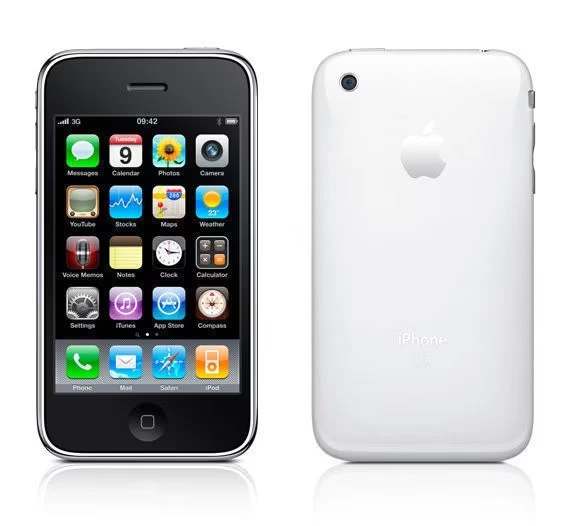
Apple iPhone 3GS

| 🛠️Specifications | 📋Details |
|---|---|
| 📱 Device Name | Apple iPhone 3GS |
| 📅 Announced Date | June 2009 |
| ✅ Status | Discontinued (released June 2009) |
| 🎨 Colours | Black, White |
| 📏 Dimension | 115.5 x 62.1 x 12.3 mm (4.55 x 2.44 x 0.48 in) |
| ⚖️ Weight | 135 g (4.76 oz) |
| 🏗️ Build Material | Plastic body (back), glass front |
| 🛡️ Durability | No official water resistance rating |
| 🖥️ Display Type | TFT |
| 📐 Display Size | 3.5 inches (36.5 cm²), ~50.9% screen-to-body ratio |
| 🔳 Screen Resolution | 320 x 480 pixels, 3:2 ratio (~165 ppi density) |
| 🛡️ Screen Protection | Corning Gorilla Glass, oleophobic coating |
| 💡 Brightness | Typical for the era, not specified in nits |
| ✨ Other Display Features | Touchscreen, 16M colors |
| 📸 Rear Camera | 3.15 MP, f/2.8, AF |
| 🤳 Front Camera | No |
| ⚡ Flash | No |
| 🔍 Zoom Options | Digital zoom |
| 🎥 Video Recording | 480p@30fps |
| 🛠️ Other Camera Features | Photo/video editor, viewer |
| 📱 Operating System | iOS 3 (upgradable to iOS 6.1.6) |
| 🎛️ User Interface (UI) | Apple iOS Standard UI |
| 🧠 Processor | 600 MHz Cortex-A8 |
| 🎨 GPU | PowerVR SGX535 |
| 💾 RAM | 256 MB |
| 💽 Internal Storage | 8GB / 16GB / 32GB |
| 💾 Expandable Storage | No |
| 🔋 Battery Capacity | Li-Ion 1400 mAh (non-removable) |
| 🔌 Wired Charging | USB 2.0 |
| ⚡ Wireless Charging | No |
| 📶 SIM Type | Mini-SIM |
| 🛜 Wifi | Wi-Fi 802.11 b/g |
| 📳 NFC | No |
| ᛒ Bluetooth | 2.1, A2DP (headset support only) |
| 📍 Location Technology | GPS, A-GPS |
| 📞 VoLTE | No |
| 🧭 Sensors | Accelerometer, proximity, compass |
| 🎵 Supported Audio Format | MP3, WAV, 16-bit/44.1kHz audio |
| 🎬 Supported Video Format | MP4, H.264 player |
| 🔊 Loudspeaker | Yes |
| 🎧 3.5mm Headset Jack | Yes |
| ✨ Other Features | iCloud, Maps, Organizer, TV-out, Stand-by up to 300 h, Talk time up to 5 h (3G) |
Apple iPhone 3GS – The Smartphone That Defined a Generation
The Apple iPhone 3GS, released in June 2009, was more than just an upgrade from its predecessor, the iPhone 3G. It was a revolutionary device that brought speed, enhanced functionality, and innovative features to the world of smartphones. With its sleek design, improved performance, and the introduction of new technologies, the iPhone 3GS set the stage for Apple’s dominance in the mobile industry.
In this article, we will explore the Apple iPhone 3GS, its design, display, camera, performance, software, connectivity, and why it remains a landmark device in Apple’s history.
Introduction – A Step Up from the iPhone 3G
When Apple launched the iPhone 3GS in June 2009, it focused on speed and efficiency—hence the “S” in 3GS, standing for “Speed.” While the design remained similar to the iPhone 3G, Apple improved the internal hardware, added a better camera, and introduced exciting new software capabilities.
This device appealed to both casual users and tech enthusiasts, providing a balance of style, performance, and functionality.
Design – Familiar Yet Refined
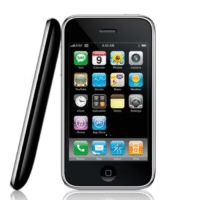
The iPhone 3GS retained the curved plastic design of the iPhone 3G but added refinements to improve durability and usability. It was lightweight, compact, and comfortable to hold, making it ideal for one-handed use.
Design Specifications
- Dimensions: 115.5 x 62.1 x 12.3 mm
- Weight: 135 g
- Colors: Black, White
- Build Material: Plastic back with a glass front
Despite the plastic construction, the iPhone 3GS felt solid in the hand, and its compact design made it a favorite among users who preferred smaller devices.
Display – Clear and Vibrant
The iPhone 3GS featured a 3.5-inch TFT display with a resolution of 320 × 480 pixels, providing ~165 ppi density. While modest by today’s standards, this display offered vibrant colors and clear visuals at the time.
Display Highlights
- Touchscreen: Capacitive, multi-touch
- Screen-to-body ratio: ~50.9%
- Screen protection: Corning Gorilla Glass with oleophobic coating
- Colors: 16 million
The touchscreen was responsive and accurate, making navigation smooth and easy. The display supported 16 million colors, giving a richer visual experience for apps, games, and videos.
Camera – First Steps into Mobile Photography
Apple enhanced the iPhone 3GS camera, making it more capable than the 3G’s. The device featured a 3.15 MP rear camera with autofocus, enabling better quality photos and videos.
Camera Specifications
- Rear Camera: 3.15 MP, f/2.8, autofocus
- Front Camera: None
- Video Recording: 480p at 30fps
- Flash: None
- Other Features: Digital zoom, basic photo/video editor
Although it lacked a front-facing camera, the iPhone 3GS allowed users to capture memories with improved clarity and record videos, a big step forward in mobile multimedia.
Performance – Speed Matters
The defining feature of the iPhone 3GS was its enhanced performance. It was powered by a 600 MHz Cortex-A8 processor with PowerVR SGX535 GPU and 256 MB RAM.
Performance Highlights
- Faster app launching compared to iPhone 3G
- Smooth multitasking for iOS 3 and iOS 4 upgrades
- Responsive gaming experience
The performance improvements made the iPhone 3GS feel snappy and reliable, allowing users to enjoy apps, games, and media without significant lag.
Operating System – iOS 3 and Upgrade to iOS 6
The iPhone 3GS shipped with iOS 3, introducing cut, copy, and paste, as well as Spotlight search. Later, it supported upgrades up to iOS 6.1.6, giving users access to a wider range of features and improved app compatibility.
Key iOS Features on iPhone 3GS
- Multitasking for select apps
- iCloud integration
- Maps and navigation
- Enhanced email and messaging
- Organizer apps like Calendar and Notes
iOS updates ensured that the iPhone 3GS remained relevant and functional for years after its release.
Battery Life – Reliable for Daily Use
The iPhone 3GS featured a non-removable 1400 mAh Li-Ion battery, which provided reliable performance for daily tasks.
Battery Highlights
- Standby time: Up to 300 hours
- Talk time: Up to 5 hours on 3G
While modest by modern standards, the battery was sufficient for calls, messaging, web browsing, and apps, making it a practical device for its era.
Connectivity – Staying in Touch
Connectivity options were robust for a 2009 device. Users could stay connected via Wi-Fi, Bluetooth, or cellular networks.
Connectivity Specifications
- Wi-Fi 802.11 b/g
- Bluetooth 2.1 with A2DP
- GPS and A-GPS
- Mini-SIM
These features allowed users to navigate, share files, and stay connected, a hallmark of the iPhone experience.
Sensors – Enhanced Interaction
The iPhone 3GS included several sensors to enhance usability:
- Accelerometer
- Proximity sensor
- Compass
These sensors enabled motion-based gaming, automatic screen rotation, and improved navigation, providing a more interactive user experience.
Audio & Multimedia – Entertainment on the Go
The iPhone 3GS featured a loudspeaker and 3.5mm headphone jack, supporting standard audio and video formats.
Audio and Video Highlights
- Supported audio formats: MP3, WAV
- Supported video formats: MP4, H.264
- FaceTime (video calling over Wi-Fi added later via upgrades)
The device delivered clear sound for calls and music, making it a reliable entertainment companion.
Why the Apple iPhone 3GS is Remembered
The Apple iPhone 3GS was a landmark device in Apple’s history for several reasons:
1. Speed and Performance
The iPhone 3GS was the fastest iPhone of its time, offering smoother app performance and improved multitasking.
2. Multimedia Capabilities
It introduced a better camera and video recording, setting the foundation for future iPhone photography innovations.
3. Software Improvements
iOS 3 and later upgrades added features like cut, copy, paste, and iCloud integration, enhancing user experience.
4. Compact and User-Friendly Design
Its small, ergonomic form factor made it comfortable for one-handed use, appealing to a wide audience.
5. Foundation for Future iPhones
The iPhone 3GS introduced technologies and design elements that influenced all subsequent iPhone models, cementing its legacy.
Conclusion – A Classic That Shaped the Future
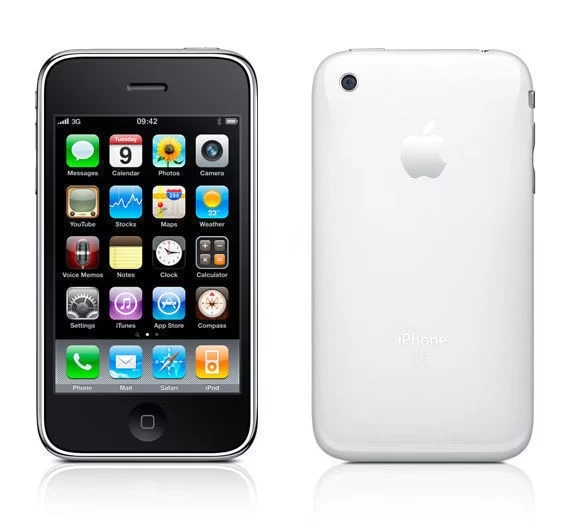
The Apple iPhone 3GS was more than just a smartphone—it was a revolution in speed, design, and functionality. From its enhanced processor and improved camera to its compact design and iOS upgrades, the iPhone 3GS demonstrated Apple’s commitment to innovation and user experience.
Even today, the iPhone 3GS is remembered fondly by tech enthusiasts and collectors. It represents a turning point in mobile technology, bridging the gap between early smartphones and the modern devices we use today.
For anyone exploring the evolution of the iPhone, the iPhone 3GS is a must-study device, as it laid the groundwork for Apple’s future innovations and solidified the iPhone as a cultural and technological icon.
Editor’s Review
📝Reviews
Editor’s Review

Disclaimer Note
Device specifications and details shown on this website are collected from official sources and trusted online portals. We do not guarantee that the information is 100% accurate or up to date. Prices and features may vary by region and time.
More Devices from Apple













Latest Post