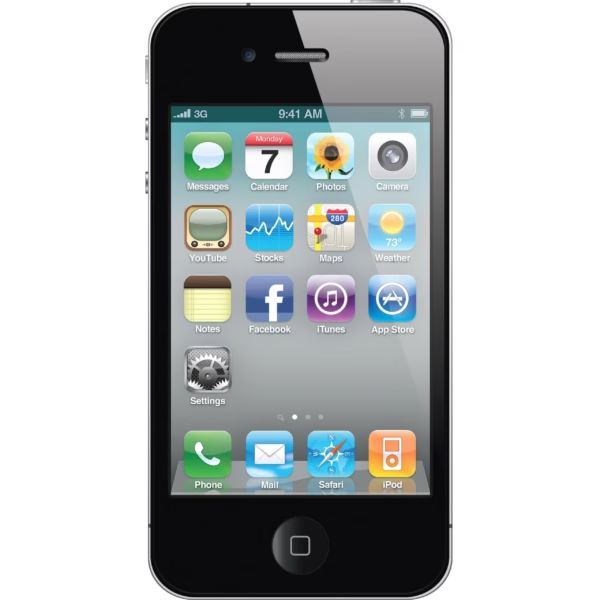
Apple iPhone 4

| 🛠️Specifications | 📋Details |
|---|---|
| 📱 Device Name | Apple iPhone 4 |
| 📅 Announced Date | June 2010 |
| ✅ Status | Discontinued (released June 2010) |
| 🎨 Colours | Black, White |
| 📏 Dimension | 115.2 x 58.6 x 9.3 mm (4.54 x 2.31 x 0.37 in) |
| ⚖️ Weight | 137 g (4.83 oz) |
| 🏗️ Build Material | Glass front (Corning-made), glass back, stainless steel frame |
| 🛡️ Durability | Scratch-resistant glass back, no official water resistance |
| 🖥️ Display Type | IPS LCD |
| 📐 Display Size | 3.5 inches (36.5 cm²), ~54.0% screen-to-body ratio |
| 🔳 Screen Resolution | 640 x 960 pixels, 3:2 ratio (~330 ppi density) |
| 🔄 Refresh Rate | 60Hz |
| 🛡️ Screen Protection | Corning Gorilla Glass, oleophobic coating |
| 💡 Brightness | Up to 500 nits (typical) |
| ✨ Other Display Features | Touchscreen, Retina Display |
| 📸 Rear Camera | 5 MP, f/2.8, AF, 1.75µm |
| 🤳 Front Camera | VGA, videocalling over Wi-Fi only |
| ⚡ Flash | LED flash |
| 🔍 Zoom Options | Digital zoom |
| 🎥 Video Recording | 720p@30fps; Front: 480p@30fps |
| 🛠️ Other Camera Features | HDR, FaceTime, photo/video |
| 📱 Operating System | iOS 4 (upgradable to iOS 7.1.2) |
| 🎛️ User Interface (UI) | Apple iOS Standard UI |
| 🧠 Processor | Apple A4 (45 nm) |
| 🧩 CPU | 1.0 GHz Cortex-A8 |
| 🎨 GPU | PowerVR SGX535 |
| 💾 RAM | 512 MB |
| 💽 Internal Storage | 8GB / 16GB / 32GB |
| 💾 Expandable Storage | No |
| 🔋 Battery Capacity | Li-Po 1420 mAh (non-removable) |
| 🔌 Wired Charging | USB 2.0 |
| ⚡ Wireless Charging | No |
| 📶 SIM Type | Micro-SIM |
| 🛜 Wifi | Wi-Fi 802.11 b/g/n, hotspot |
| 📳 NFC | No |
| ᛒ Bluetooth | 2.1, A2DP |
| 📍 Location Technology | GPS, A-GPS |
| 📞 VoLTE | No |
| 🧭 Sensors | Accelerometer, gyro, proximity, compass |
| 🎵 Supported Audio Format | 16-bit/44.1kHz audio |
| 🎬 Supported Video Format | Standard formats supported |
| 🔊 Loudspeaker | Yes |
| 🎧 3.5mm Headset Jack | Yes |
| ✨ Other Features | HTML5 (Safari), FaceTime, Stand-by up to 300 h, Talk time up to 7 h (3G) |
Apple iPhone 4 – The Icon That Transformed Smartphones
The Apple iPhone 4, released in June 2010, was a groundbreaking device that redefined what a smartphone could be. With its sleek design, Retina display, and powerful hardware for its time, the iPhone 4 became an instant classic. It introduced features and technologies that influenced all future iPhones and cemented Apple’s reputation as an innovator in the mobile industry.
In this article, we’ll dive deep into the Apple iPhone 4, exploring its design, display, camera, performance, software, connectivity, and legacy.
Introduction – A Revolution in Apple’s Lineup
When the iPhone 4 was announced in June 2010, it marked a major evolution from the iPhone 3GS. It introduced a new industrial design, a higher-resolution display, and better internal hardware. This was also the first iPhone to showcase Apple’s Retina display, setting a new standard for smartphone screen quality.
Moreover, the iPhone 4 came equipped with FaceTime, enabling video calls over Wi-Fi, and ran iOS 4, which brought multitasking, folders, and other usability improvements.
Design – Glass and Stainless Steel Elegance
The Apple iPhone 4 featured a distinctive design that distinguished it from its predecessors. Apple replaced the curved plastic back with glass front and back, framed by a stainless steel band, which also functioned as the device’s antenna.
Design Specifications
- Dimensions: 115.2 x 58.6 x 9.3 mm
- Weight: 137 g
- Colors: Black, White
The glass-and-steel construction gave the iPhone 4 a premium feel and made it a style icon. Its compact size and flat design made it comfortable to hold and easy to use one-handed, a factor many users appreciated.
Display – Introducing the Retina Display
One of the iPhone 4’s most revolutionary features was the Retina display. With a resolution of 640 × 960 pixels on a 3.5-inch screen, the device offered an impressive pixel density of ~330 ppi.
Display Highlights
- Display type: IPS LCD
- Screen protection: Corning Gorilla Glass with oleophobic coating
- Brightness: Up to 500 nits
- Screen-to-body ratio: ~54%
The Retina display made text, images, and videos appear sharper and more vibrant than ever, giving users an unparalleled visual experience at the time.
Camera – A Leap Forward
The iPhone 4 featured a significant camera upgrade from its predecessor. Apple included a 5 MP rear camera with autofocus, LED flash, and 720p video recording capabilities. The front-facing VGA camera enabled FaceTime video calling, a first in the industry.
Rear Camera Features
- 5 MP, f/2.8, 35mm lens
- Autofocus and LED flash
- HDR photo capture
- 720p video recording at 30fps
Front Camera Features
- VGA camera
- FaceTime over Wi-Fi
- 480p video recording
These camera improvements made the iPhone 4 a strong contender for mobile photography and video, paving the way for future iPhone camera innovations.
Performance – Powered by Apple A4
Under the hood, the iPhone 4 was powered by the Apple A4 chipset, the same processor used in the first iPad, paired with 512 MB of RAM. This combination delivered smooth performance for apps, web browsing, and multitasking on iOS 4.
Performance Specifications
- Processor: Apple A4 (45 nm)
- CPU: 1.0 GHz Cortex-A8
- GPU: PowerVR SGX535
- Internal Storage Options: 8GB / 16GB / 32GB
The performance improvements allowed users to run apps and games more smoothly than ever before, making the iPhone 4 a powerful tool for both productivity and entertainment.
Operating System – iOS 4 and Multitasking
The iPhone 4 launched with iOS 4, introducing features that shaped modern iOS versions:
iOS 4 Highlights
- Multitasking: Switch between apps efficiently
- Folders: Organize apps neatly
- FaceTime: Video calling over Wi-Fi
- iBooks, Mail enhancements, and more
iOS 4 optimized the iPhone 4 hardware and brought a more intuitive, user-friendly interface, which contributed to its popularity.
Battery Life – Optimized for Daily Use
The iPhone 4 housed a non-removable Li-Po 1420 mAh battery, which was efficient for a smartphone of its era.
Battery Highlights
- Standby time: Up to 300 hours
- Talk time: Up to 7 hours on 3G
Apple’s optimization of hardware and software ensured reliable performance throughout the day, even with video calling and app usage.
Connectivity & Sensors – Staying Connected
Connectivity options in the iPhone 4 were robust for 2010 standards, ensuring users could stay connected at all times.
Connectivity
- Wi-Fi 802.11 b/g/n with hotspot
- Bluetooth 2.1
- GPS and A-GPS
Sensors
- Accelerometer
- Gyroscope
- Proximity sensor
- Compass
These features allowed for accurate navigation, motion tracking, and enhanced gaming experiences, demonstrating Apple’s forward-thinking approach.
Audio & Multimedia – Clear Sound and Entertainment
The iPhone 4 featured a loudspeaker and 3.5mm headphone jack, providing high-quality audio for calls, music, and videos. Combined with the Retina display, the iPhone 4 offered a complete multimedia experience despite its compact size.
Why the Apple iPhone 4 Remains Iconic
The Apple iPhone 4 holds a special place in the history of smartphones for several reasons:
1. Design Innovation
The glass-and-steel design was a departure from previous models and influenced the design language of many future Apple devices.
2. Retina Display
The iPhone 4 introduced one of the first high-resolution mobile displays, which became an industry standard.
3. FaceTime Introduction
Video calling became mainstream with the iPhone 4, thanks to its front-facing camera and FaceTime integration.
4. Performance Boost
The Apple A4 chip provided smooth multitasking and app performance, improving the overall user experience.
5. Legacy in Apple History
As one of the first iPhones to gain global acclaim, the iPhone 4 is remembered as a milestone device in Apple’s lineup.
Conclusion – A Milestone in Smartphone Evolution
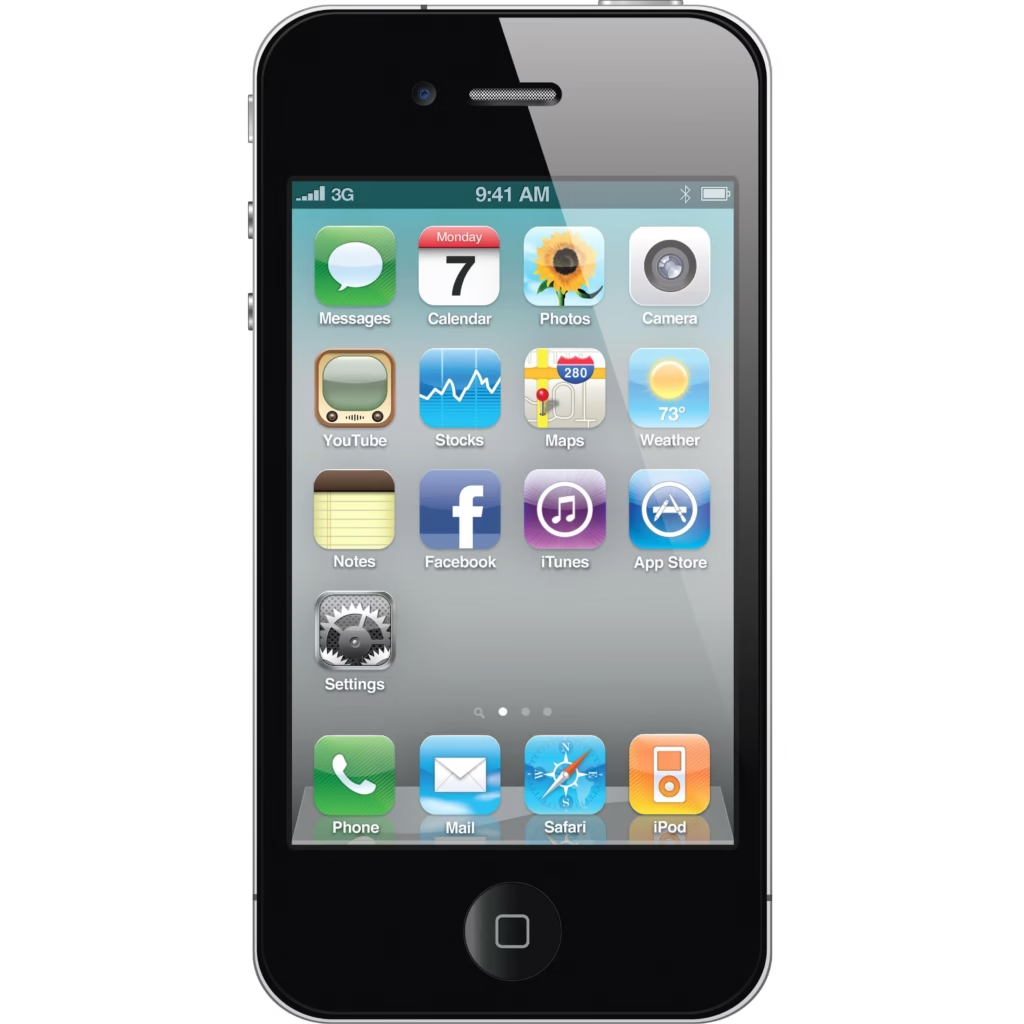
The Apple iPhone 4 was more than just a phone; it was a game-changer. From its innovative design and Retina display to the introduction of FaceTime and iOS 4, the iPhone 4 set new standards for the smartphone industry.
Even years after its discontinuation, the iPhone 4 remains a classic device, admired by tech enthusiasts and collectors alike. Its combination of style, performance, and innovation makes it a pivotal chapter in the story of Apple’s iPhone evolution.
For anyone looking to understand how Apple shaped modern smartphones, the iPhone 4 is an essential reference. It represents the intersection of technology, design, and user experience, a device that continues to influence smartphones today.
Editor’s Review
📝Reviews
Editor’s Review

Disclaimer Note
Device specifications and details shown on this website are collected from official sources and trusted online portals. We do not guarantee that the information is 100% accurate or up to date. Prices and features may vary by region and time.
More Devices from Apple














Latest Post