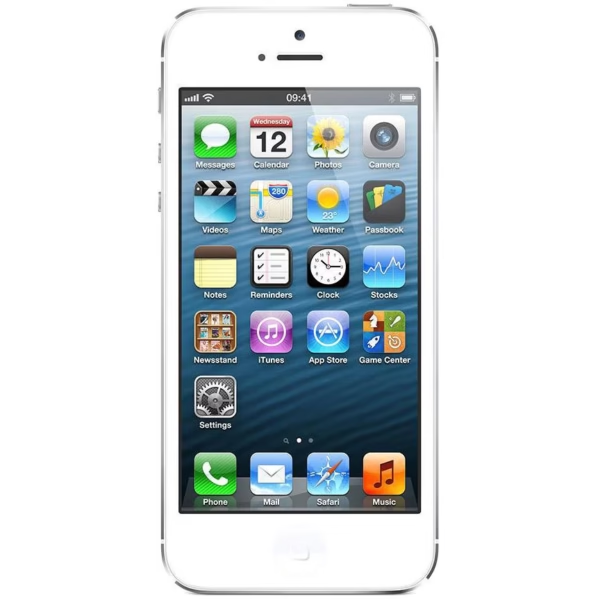
Apple iPhone 5

| 🛠️Specifications | 📋Details |
|---|---|
| 📱 Device Name | Apple iPhone 5 |
| 📅 Announced Date | September 12, 2012 |
| ✅ Status | Discontinued (released September 21, 2012) |
| 🎨 Colours | Black/Slate, White/Silver |
| 📏 Dimension | 123.8 x 58.6 x 7.6 mm (4.87 x 2.31 x 0.30 in) |
| ⚖️ Weight | 112 g (3.95 oz) |
| 🏗️ Build Material | Glass front (Corning-made), aluminum back, aluminum frame |
| 🛡️ Durability | No official water resistance rating |
| 🖥️ Display Type | IPS LCD |
| 📐 Display Size | 4.0 inches (44.1 cm²), ~60.8% screen-to-body ratio |
| 🔳 Screen Resolution | 640 x 1136 pixels, 16:9 ratio (~326 ppi density) |
| 🔄 Refresh Rate | 60Hz |
| 🛡️ Screen Protection | Corning Gorilla Glass, oleophobic coating |
| 💡 Brightness | Up to 500 nits (typical) |
| ✨ Other Display Features | Touchscreen, Retina Display |
| 📸 Rear Camera | 8 MP, f/2.4, 33mm, AF, 1.4µm |
| 🤳 Front Camera | 1.2 MP, f/2.4, 35mm (standard) |
| ⚡ Flash | LED flash |
| 🔍 Zoom Options | Digital zoom |
| 🎥 Video Recording | 1080p@30fps; Front: 720p@30fps |
| 🛠️ Other Camera Features | Panorama, HDR, Face detection, FaceTime |
| 📱 Operating System | iOS 6 (upgradable to iOS 10.3.4) |
| 🎛️ User Interface (UI) | Apple iOS Standard UI |
| 🧠 Processor | Apple A6 (32 nm) |
| 🧩 CPU | Dual-core 1.3 GHz Swift (ARM v7-based) |
| 🎨 GPU | PowerVR SGX 543MP3 (triple-core graphics) |
| 💾 RAM | 1 GB |
| 💽 Internal Storage | 16GB / 32GB / 64GB (NVMe) |
| 💾 Expandable Storage | No |
| 🔋 Battery Capacity | Li-Po 1440 mAh (5.45 Wh) |
| 🔌 Wired Charging | Lightning, USB 2.0 |
| ⚡ Wireless Charging | No |
| 📶 SIM Type | Nano-SIM |
| 🛜 Wifi | Wi-Fi 802.11 a/b/g/n, dual-band, hotspot |
| 📳 NFC | No |
| ᛒ Bluetooth | 4.0, A2DP, LE |
| 📍 Location Technology | GPS, A-GPS, GLONASS |
| 📞 VoLTE | Not specified |
| 🧭 Sensors | Accelerometer, gyro, proximity, compass |
| 🎵 Supported Audio Format | 16-bit/44.1kHz audio |
| 🎬 Supported Video Format | Standard formats supported |
| 🔊 Loudspeaker | Yes |
| 🎧 3.5mm Headset Jack | Yes |
| ✨ Other Features | FaceTime, Stand-by up to 225 h, Talk time up to 8 h (3G) |
Apple iPhone 5 – A Landmark in Apple’s Smartphone Evolution
When Apple launched the iPhone 5 on September 12, 2012, it marked a significant leap in smartphone design and performance. As the successor to the iPhone 4s, the iPhone 5 introduced several innovations, including a larger screen, a thinner and lighter body, and the new Lightning connector. These improvements solidified Apple’s reputation for combining style, functionality, and innovation in the smartphone industry.
Even years after its discontinuation, the Apple iPhone 5 remains a notable device for tech enthusiasts and collectors alike. In this detailed review, we explore its design, performance, camera, display, battery, and why it continues to be remembered as a groundbreaking device.
Introduction – The Phone That Changed Apple’s Trajectory
The iPhone 5 was announced alongside iOS 6 and released on September 21, 2012. At the time, it represented a paradigm shift in Apple’s design philosophy, combining a taller display, thinner body, and aluminum casing. Its 4-inch Retina display offered more screen real estate while remaining compact, providing users with a balance between usability and immersive viewing.
The iPhone 5 also introduced the Lightning connector, replacing the older 30-pin dock connector. This smaller, reversible connector improved durability and usability, a standard that Apple still uses today.
Design – Slim, Sleek, and Sophisticated
The Apple iPhone 5 was thinner, lighter, and more elegant than its predecessors. Its combination of glass front and aluminum back with chamfered edges created a premium feel while maintaining durability.
Key Design Specifications
- Dimensions: 123.8 x 58.6 x 7.6 mm
- Weight: 112 g
- Colors: Black/Slate, White/Silver
The slim profile and lightweight construction made it comfortable to hold for extended periods. Compared to the iPhone 4s, the iPhone 5 felt noticeably lighter and more ergonomic. Apple’s attention to detail, from the tapered edges to the precision-machined aluminum body, contributed to a design that still feels timeless.
Display – Retina Perfection in a Compact Package
The Apple iPhone 5 featured a 4-inch IPS LCD Retina display with a resolution of 640 × 1136 pixels, offering a pixel density of 326 ppi. The taller screen ratio of 16:9 allowed users to view more content, making it ideal for web browsing, video playback, and apps.
Display Features
- Brightness: Up to 500 nits (typical)
- Screen-to-body ratio: ~60.8%
- Screen protection: Corning Gorilla Glass with oleophobic coating
The display provided sharp text, vibrant colors, and excellent clarity. While smaller than modern devices, it was perfectly sized for one-handed use, striking a balance between portability and usability.
Performance – Apple A6 Chip and iOS 6
The iPhone 5 was powered by the Apple A6 processor, a dual-core chip running at 1.3 GHz, paired with 1 GB RAM. Although modest by today’s standards, this combination offered fast and smooth performance for its time.
Performance Highlights
- Processor: Apple A6 (32 nm)
- CPU: Dual-core 1.3 GHz Swift (ARM v7-based)
- GPU: PowerVR SGX 543MP3 (triple-core graphics)
- Internal Storage: 16GB / 32GB / 64GB
Apps opened quickly, multitasking was smooth, and games ran without noticeable lag. The efficiency of iOS ensured that the iPhone 5 remained responsive and fluid throughout its usage.
Operating System – iOS 6 and Beyond
The iPhone 5 shipped with iOS 6, featuring Apple Maps, Passbook, and improvements to Siri. It could be upgraded to iOS 10.3.4, extending its usability for years after release.
Key OS Features
- Intuitive, smooth interface
- Access to a vast ecosystem of apps
- Reliable software updates
- Enhanced security and stability
Even today, iOS on the iPhone 5 provides a solid user experience, maintaining Apple’s reputation for a user-friendly interface.
Camera – Capture Life in Clarity
The iPhone 5 retained the 8MP rear camera of the iPhone 4s but improved performance with better optics and faster image processing. The front camera, upgraded to 1.2 MP, enabled smoother FaceTime video calls.
Rear Camera Features
- 8 MP, f/2.4, 33mm lens
- Autofocus with LED flash
- HDR, panorama, face detection
- Video recording: 1080p@30fps
Front Camera Features
- 1.2 MP, suitable for FaceTime and selfies
- Video recording: 720p@30fps
The iPhone 5’s camera produced clear, vibrant images for social media, video calls, and casual photography. Its simplicity and reliability made it a favorite for everyday use.
Battery Life – Reliable for Daily Tasks
The iPhone 5 came with a 1440 mAh Li-Po battery, offering sufficient power for daily use.
Battery Performance
- Standby time: Up to 225 hours
- Talk time: Up to 8 hours (3G)
- Charging: Lightning connector
Although battery capacity seems modest today, Apple’s software optimization ensured efficient power management, allowing users to rely on the iPhone 5 for typical daily tasks.
Connectivity & Sensors – Staying Connected Everywhere
Apple ensured that even its mid-range devices provided robust connectivity options.
Connectivity
- Wi-Fi 802.11 a/b/g/n, dual-band, hotspot
- Bluetooth 4.0
- GPS, A-GPS, GLONASS
- Nano-SIM
Sensors
- Accelerometer
- Gyroscope
- Proximity sensor
- Compass
These features allowed accurate location tracking, responsive app usage, and a smooth experience for navigation and fitness apps.
Audio & Multimedia – Small Device, Big Sound
Despite its compact size, the iPhone 5 offered clear audio through its loudspeaker and 3.5mm headphone jack. Music playback, video watching, and FaceTime calls were all enjoyable experiences. Combined with a crisp Retina display, the iPhone 5 delivered entertaining multimedia performance.
Why the Apple iPhone 5 Still Matters
Even years after its release, the Apple iPhone 5 remains significant for several reasons:
1. Iconic Design
Its slim aluminum body and 4-inch Retina display set a benchmark for sleek smartphone design. The phone remains one of the most comfortable to hold devices in Apple’s lineup.
2. Introduction of the Lightning Connector
Apple’s switch from the 30-pin connector to Lightning marked a major evolution in smartphone technology, making charging faster, more convenient, and durable.
3. Lightweight and Portable
Weighing just 112 g, the iPhone 5 is one of the lightest smartphones ever made by Apple, perfect for users who prioritize portability.
4. Balanced Performance
With the A6 chip and iOS optimization, the iPhone 5 delivered a reliable, smooth performance that could handle apps, browsing, and casual gaming.
5. A Collectible Device
For Apple enthusiasts, the iPhone 5 holds a nostalgic value. Its design and historical significance in Apple’s evolution make it a collector’s item.
Conclusion – A Milestone in Apple’s Legacy
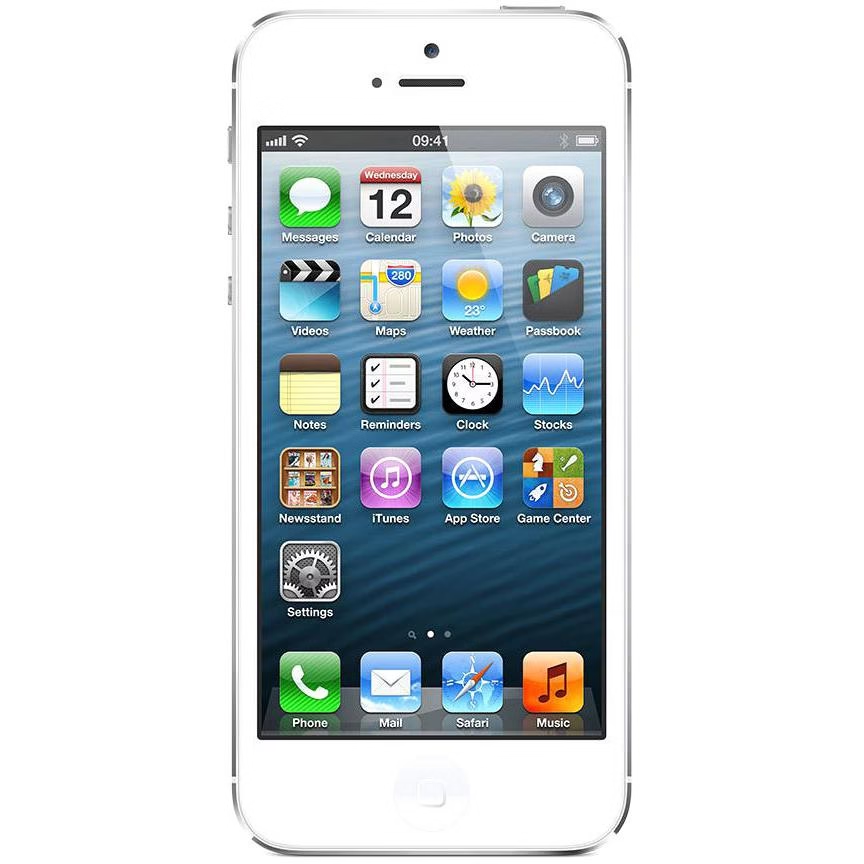
The Apple iPhone 5 is more than just a smartphone; it is a milestone in Apple’s history. It introduced design changes, enhanced performance, and a new charging standard that shaped the future of iPhones. Compact, stylish, and efficient, it remains a device that many users fondly remember.
For anyone exploring Apple’s past innovations or seeking a compact, reliable smartphone, the iPhone 5 is a classic choice. Its combination of design, usability, and performance ensures it will remain an important part of Apple’s legacy for years to come.
Editor’s Review
📝Reviews
Editor’s Review

Disclaimer Note
Device specifications and details shown on this website are collected from official sources and trusted online portals. We do not guarantee that the information is 100% accurate or up to date. Prices and features may vary by region and time.
More Devices from Apple














Latest Post