Apple iPhone SE (2020)

| 🛠️Specifications | 📋Details |
|---|---|
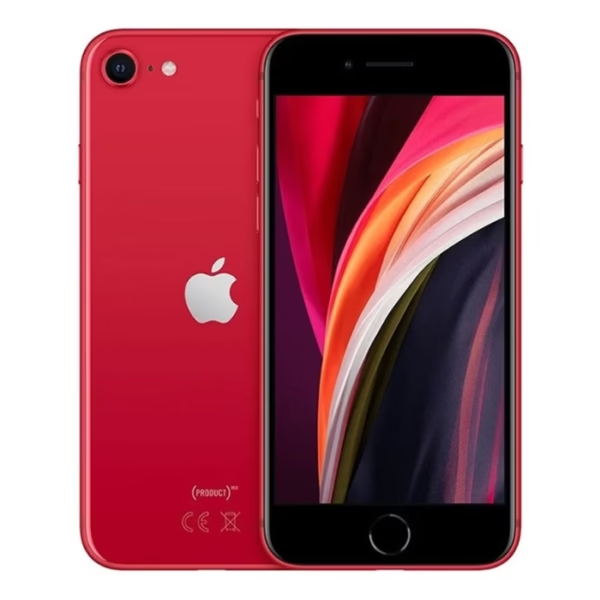
| 📱 Device Name | Apple iPhone SE (2020) |
| 📅 Announced Date | April 15, 2020 |
| ✅ Status | Available. Released April 24, 2020 |
| 🎨 Colours | Black, White, Red |
| 📏 Dimension | 138.4 x 67.3 x 7.3 mm (5.45 x 2.65 x 0.29 in) |
| ⚖️ Weight | 148 g (5.22 oz) |
| 🏗️ Build Material | Glass front, glass back, aluminum frame |
| 🛡️ Durability | IP67 dust/water resistant (up to 1m for 30 min) |
| 🖥️ Display Type | Retina IPS LCD, 625 nits (typical) |
| 📐 Display Size | 4.7 inches (60.9 cm²), ~65.4% screen-to-body ratio |
| 🔳 Screen Resolution | 750 x 1334 pixels, 16:9 ratio (~326 ppi density) |
| 🔄 Refresh Rate | 60Hz |
| 🛡️ Screen Protection | Ion-strengthened glass |
| 💡 Brightness | 625 nits (typical) |
| ✨ Other Display Features | Wide Color (P3), True Tone, Haptic Touch |
| 📸 Rear Camera | Single: 12 MP (wide, f/1.8, PDAF, OIS) |
| 🤳 Front Camera | 7 MP (wide, f/2.2) |
| ⚡ Flash | Quad-LED dual-tone flash |
| 🔍 Zoom Options | Digital zoom up to 5x |
| 🎥 Video Recording | Rear: 4K@24/30/60fps, 1080p@30/60/120/240fps; Front: 1080p@30fps; HDR, OIS |
| 🛠️ Other Camera Features | HDR, Panorama, Portrait Mode, Stereo Sound Recording |
| 📱 Operating System | iOS 13 (upgradable to iOS 26) |
| 🎛️ User Interface (UI) | Apple iOS Standard UI |
| 🧠 Processor | Apple A13 Bionic (7 nm+) |
| 🧩 CPU | Hexa-core (2×2.65 GHz Lightning + 4×1.8 GHz Thunder) |
| 🎨 GPU | Apple GPU (4-core graphics) |
| 💾 RAM | 3 GB |
| 💽 Internal Storage | 64GB / 128GB / 256GB (NVMe) |
| 💾 Expandable Storage | No |
| 🔋 Battery Capacity | Li-Ion 1821 mAh (6.91 Wh) |
| 🔌 Wired Charging | 18W fast charging, 50% in 30 min |
| ⚡ Wireless Charging | 7.5W Qi wireless |
| 📶 SIM Type | Nano-SIM + eSIM |
| 🔌 USB | Lightning, USB 2.0 |
| 🛜 Wifi | Wi‑Fi 802.11 a/b/g/n/ac/6, dual-band, hotspot |
| 📳 NFC | Yes |
| ᛒ Bluetooth | 5.0, A2DP, LE |
| 📍 Location Technology | GPS, GLONASS |
| 📞 VoLTE | Supported |
| 🧭 Sensors | Fingerprint (front-mounted), accelerometer, proximity, gyro, compass, barometer |
| 🎵 Supported Audio Format | AAC, FLAC, Apple Lossless, MP3, WAV |
| 🎬 Supported Video Format | HEVC, H.264, MPEG‑4 Part 2, Motion JPEG |
| 🔊 Stereo Speakers | Yes, with stereo speakers |
| 🎧 3.5mm Headset Jack | No |
| ✨ Other Features | Apple Pay (Visa, MasterCard, AMEX certified), Portrait Mode, Touch ID |
Apple iPhone SE (2020) – Complete Review, Features & Performance Guide
The Apple iPhone SE (2020) stands out as one of Apple’s most iconic budget-friendly smartphones. Released on April 24, 2020, this compact device blended the classic iPhone design with the powerful A13 Bionic chipset, making it one of the fastest phones in its price range. Even years later, the iPhone SE (2020) remains popular for its affordability, reliability, long-term software support, and premium build quality.
In this in-depth review, we’re breaking down everything you need to know about the Apple iPhone SE (2020) — from its design and display to performance, camera quality, battery life, and whether it’s still worth buying in 2025.
Design & Build Quality – Classic Look, Premium Materials
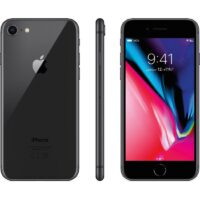
The Apple iPhone SE (2020) maintains the signature iPhone 8-style design but with modern internal upgrades. Measuring 138.4 x 67.3 x 7.3 mm and weighing just 148 grams, the phone feels compact, lightweight, and extremely comfortable to use—even with one hand.
The device features:
- Glass front and back
- Aluminum frame
- IP67 dust and water resistance
(Can withstand up to 1m depth for 30 minutes)
Despite its traditional design, the build quality is unmistakably premium, offering durability and a solid feel in the hand. It’s available in three classic colours: Black, White, and Product Red.
If you’re someone who misses small flagship-quality phones, the iPhone SE (2020) is a perfect fit.
Display – Compact Retina Display with True Tone
The Apple iPhone SE (2020) uses a 4.7-inch Retina IPS LCD screen — a compact size rarely found in modern smartphones. This makes the phone ideal for users who prefer smaller displays for comfortable one-handed use.
Display Highlights
- Resolution: 750 x 1334 pixels
- Aspect Ratio: 16:9
- Pixel Density: ~326 ppi
- Brightness: 625 nits
- Other Features: True Tone, Wide Color (P3), Haptic Touch
Although the display is not OLED, Apple’s tuning ensures accurate colours, sharp visuals, and great outdoor visibility. The 16:9 aspect ratio is perfect for users who prefer traditional layouts without notches or punch-hole cameras.
However, modern users might miss features like higher refresh rates or ultra-thin bezels. The device sticks to 60Hz, which is expected for its price segment.
Performance – A13 Bionic Power That Still Impresses
One of the strongest selling points of the Apple iPhone SE (2020) is its flagship-grade A13 Bionic chipset, the same processor used in the iPhone 11 series.
Key Performance Specs
- Chipset: Apple A13 Bionic (7nm+)
- CPU: Hexa-core (2 powerful Lightning + 4 efficient Thunder cores)
- GPU: Apple 4-core graphics
- RAM: 3GB
Even in 2025, the A13 Bionic remains fast and efficient. The iPhone SE (2020) handles:
- Social media apps
- Gaming (including heavy games like BGMI, COD Mobile)
- Multitasking
- 4K video recording
- Photo editing
- iOS animations and transitions
With the upgrade path up to iOS 26, the phone gets the latest security patches and features, making it future-ready and functional for years to come.
Software – Long-Term iOS Support
Launched with iOS 13, the Apple iPhone SE (2020) is officially upgradeable to iOS 26. This ensures:
- Better performance over time
- Major feature updates
- Improved battery optimization
- Regular security updates
Apple’s software support is one of the biggest strengths of this device, making it outperform many Android phones in the same price bracket even years after release.
Camera Performance – Simple Setup, Powerful Results
The Apple iPhone SE (2020) features a single rear camera but delivers impressive results thanks to Apple’s image processing powered by the A13 Bionic chip.
Rear Camera
- 12 MP wide sensor (f/1.8)
- Optical Image Stabilization (OIS)
- PDAF autofocus
- Quad-LED dual-tone flash
- Digital zoom up to 5x
Video Recording
- 4K video at 24/30/60fps
- 1080p at up to 240fps
- OIS + stereo sound recording
- HDR video support
Front Camera
- 7 MP (f/2.2)
- 1080p video at 30fps
- Portrait Mode using software + depth estimation
Even though it has only one rear camera, the image quality is excellent in good lighting, and portrait mode works surprisingly well. Video quality is also top-notch for the price, especially with 4K 60fps support.
Low-light performance is decent but not on par with iPhones that support Night Mode (which the SE lacks). However, for everyday photography and social media, the results are impressive.
Battery Life – Decent but Not for Heavy Users
With its 1821mAh battery, the Apple iPhone SE (2020) offers moderate battery life. The A13 Bionic helps optimize power consumption, but due to the compact size, battery capacity remains limited.
Battery Performance
- Good for light to medium usage
- Heavy users may require midday charging
- Works well for calling, browsing, and media streaming
Charging
- 18W fast charging (50% in 30 minutes)
- 7.5W Qi wireless charging
Wireless charging is a bonus rarely seen in phones at this price range.
Storage Options
The Apple iPhone SE (2020) offers three NVMe storage variants:
- 64GB
- 128GB
- 256GB
There’s no expandable storage, so choosing the right variant is important—128GB is the sweet spot for most users.
Connectivity & Audio
The iPhone SE (2020) includes all essential connectivity options:
- Wi-Fi 6
- Bluetooth 5.0
- GPS + GLONASS
- NFC (for Apple Pay)
- Lightning port
- VoLTE support
The device also offers stereo speakers, providing loud and clear audio for gaming, video streaming, and calls. However, there is no 3.5mm headphone jack.
Security – Touch ID Makes a Comeback
Unlike newer iPhones that use Face ID, the Apple iPhone SE (2020) includes a front-mounted Touch ID fingerprint sensor. Many users prefer this for quick unlocking, especially when wearing masks.
Touch ID is fast, reliable, and integrates well with Apple Pay.
Who Should Buy the Apple iPhone SE (2020)?
The Apple iPhone SE (2020) is ideal for:
✔️ Compact phone lovers
If you prefer a small phone that easily fits in pockets and is perfect for one-handed use.
✔️ Budget iPhone buyers
Great performance and iOS at a lower price point.
✔️ Students & casual users
Perfect for online classes, media consumption, and everyday tasks.
✔️ Users upgrading from older iPhones
A familiar design with a massive performance boost.
✔️ People who prefer Touch ID
Secure, fast, and loved by millions.
Pros & Cons
Pros
- Compact and lightweight
- A13 Bionic offers flagship-level performance
- Excellent camera for the price
- Wireless charging support
- Touch ID convenience
- iOS updates up to iOS 26
- Premium build quality
Cons
- Small battery
- Thick bezels and old design
- No Night Mode
- No 3.5mm headphone jack
- Single-camera setup
Is the Apple iPhone SE (2020) Worth Buying in 2025?
Yes—if you want a fast, compact, budget-friendly iPhone with long-term iOS support.
The Apple iPhone SE (2020) still performs smoothly, takes great photos, and supports the latest iOS features. It’s reliable, durable, and perfect for users who prefer the classic iPhone look and Touch ID.
However, if you want modern design, bigger batteries, or multi-camera systems, you may consider newer models like the iPhone SE 2022 or iPhone 12.
Final Verdict
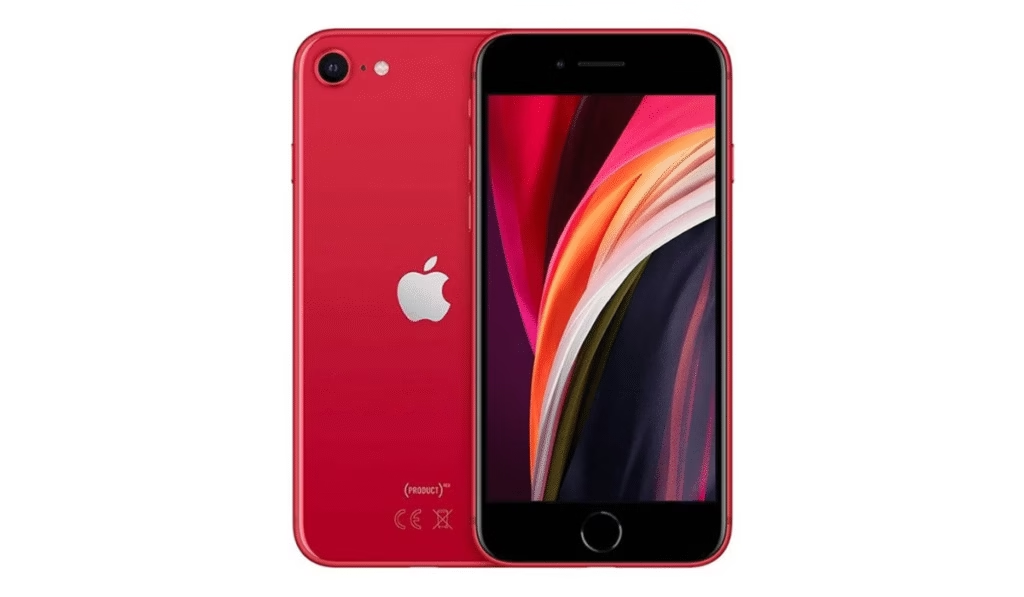
The Apple iPhone SE (2020) is a small smartphone with big capabilities. Its combination of A13 performance, premium build quality, strong camera processing, and long-term software support makes it a top choice even years after launch. Whether you’re a student, casual user, or someone who simply wants a reliable compact phone, the iPhone SE (2020) continues to offer great value in 2025.
Latest Offers

Editor’s Review
Latest Offers
📝Reviews
Editor’s Review

Disclaimer Note
Device specifications and details shown on this website are collected from official sources and trusted online portals. We do not guarantee that the information is 100% accurate or up to date. Prices and features may vary by region and time.
More Devices from Apple













Latest Post