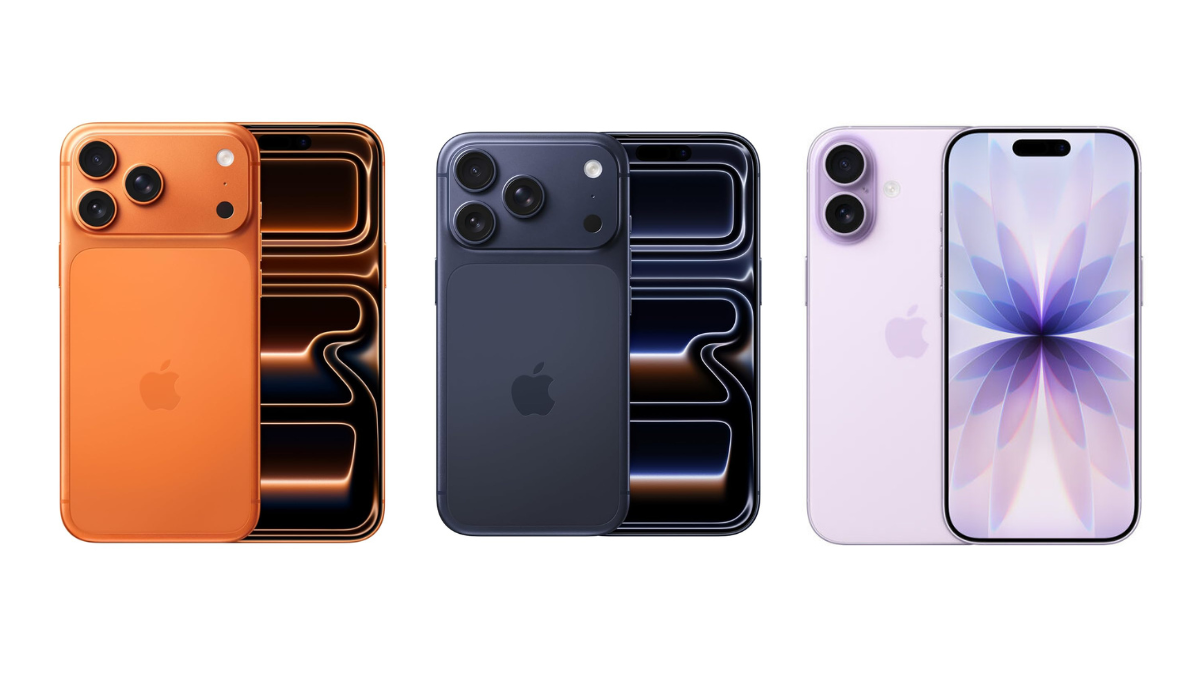

Apple’s iPhone 17 Pro and iPhone 17 Pro Max have once again pushed the limits of innovation — but one subtle difference between the US and global versions has caught the attention of many users: the SIM configuration. Whether you’re planning to buy your new iPhone locally or import one, understanding how these models differ in SIM support and battery performance is essential.
Let’s break down the main differences between the US, Global, and China versions of the iPhone 17 Pro series.
SIM and Cellular Differences
US iPhone 17 Pro & 17 Pro Max – eSIM-Only Models
In the United States, Apple has continued its move toward a SIM-free future.
The US iPhone 17 Pro and Pro Max models do not have a physical SIM tray. They rely entirely on eSIM technology, meaning activation is done digitally.
- No physical SIM card slot
- Dual eSIM support (you can use two eSIM lines at once)
- Instant activation via carrier or QR code
- Smoother travel experience, as you can store multiple eSIM profiles and switch easily
This setup is ideal for users who prefer convenience and quick setup, though it may be limiting for travelers in regions where eSIM carriers are not widely supported.
Global iPhone 17 Pro & 17 Pro Max – Physical SIM + eSIM
Outside the US, the Global iPhone 17 Pro and Pro Max retain the traditional physical SIM tray, giving users more flexibility.
- Supports both nano-SIM and eSIM
- Can use one physical SIM + one eSIM, or two eSIMs
- Easier for users who frequently switch SIM cards or travel internationally
This dual option ensures maximum compatibility with carriers around the world — especially in markets where eSIM adoption is still growing.
China iPhone 17 Pro & 17 Pro Max – Physical SIM Only
The Chinese version of the iPhone 17 Pro lineup is unique:
- Physical nano-SIM only
- No eSIM support
This difference is due to local carrier and government restrictions on eSIM usage in China.
2. Battery Capacity: eSIM vs Physical SIM Models
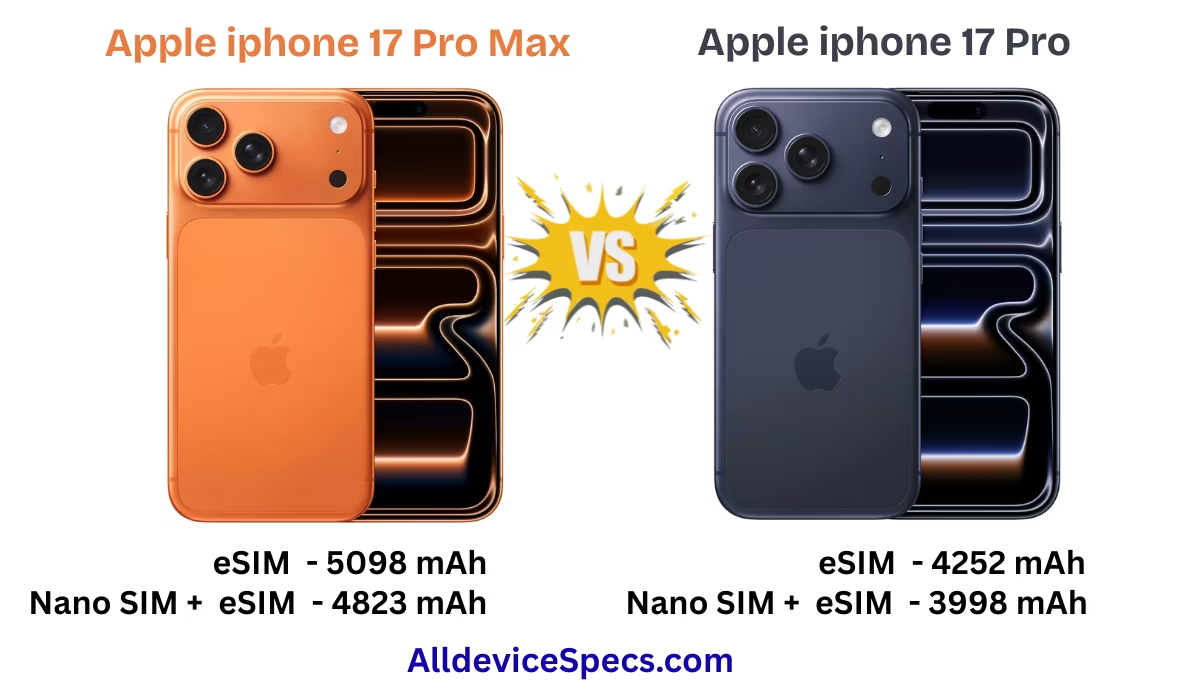
Interestingly, removing the physical SIM tray has a small but measurable impact on battery capacity.
Since the eSIM-only models don’t require the internal space for a SIM slot and tray, Apple used that extra room to fit slightly larger batteries.
Here’s how the numbers compare:
| Model | SIM Type | Battery Capacity (mAh) |
|---|---|---|
| iPhone 17 Pro (US eSIM) | eSIM-only | 4252 mAh |
| iPhone 17 Pro (Global) | Physical SIM + eSIM | 3988 mAh |
| iPhone 17 Pro Max (US eSIM) | eSIM-only | 5098 mAh |
| iPhone 17 Pro Max (Global) | Physical SIM + eSIM | 4823 mAh |
While the difference isn’t huge, it’s still noticeable for power users.
The US models offer slightly better battery endurance, likely due to the additional space freed up by the missing SIM tray and its associated components.
3. Which Version Should You Buy?
Your choice depends on where you live and how you use your phone:
- Choose the US version if you want the clean, modern eSIM-only experience and slightly longer battery life — ideal if you live in the US or use eSIM-friendly carriers.
- Choose the Global version if you travel internationally or still rely on physical SIM cards. The flexibility of a physical SIM tray makes it more practical in many regions.
- Avoid the China version unless you live there, as the lack of eSIM support can be restrictive.
4. The Future of SIM Technology in iPhones
Apple’s gradual shift toward eSIM-only models is part of a broader strategy to create more secure, compact, and water-resistant iPhones. Removing the physical SIM tray not only frees up space but also enhances durability and internal design efficiency.
As eSIM adoption increases globally, we can expect future iPhones — perhaps even the iPhone 18 series — to go fully eSIM across all regions.
Conclusion
The iPhone 17 Pro and iPhone 17 Pro Max might look identical from the outside, but under the surface, the US and global models differ significantly in how they handle SIM cards and battery space.
- The US models are eSIM-only with a slightly larger battery.
- The Global models offer both physical SIM and eSIM support, giving users more flexibility.
- The China versions stick to physical SIM only, maintaining regional norms.
Whether you value flexibility or future-readiness, understanding these differences ensures you pick the model that perfectly fits your lifestyle.